

Dog Training 101: Essential Training Tips for New Owners
- Wendi Niad
- May 11
- 4 min read

Bringing a new dog into your home is an exciting adventure. But it also comes with responsibilities, especially when it comes to training. If you’re new to dog ownership, you might feel overwhelmed by all the advice out there. Don’t worry - I’m here to guide you through the basics with clear, practical steps. This post will help you build a strong bond with your dog and set the foundation for good behavior.
Why Training Tips for New Owners Matter
Training your dog is more than teaching tricks. It’s about communication and trust. When you train your dog well, you create a safe and happy environment for both of you. Dogs thrive on routine and clear expectations. Without training, they can develop habits that are hard to change later.
Here are some key reasons why training is important:
Safety: A well-trained dog listens to commands, which can prevent accidents.
Socialization: Training helps your dog behave well around people and other animals.
Mental stimulation: Learning new skills keeps your dog’s mind active and healthy.
Stronger bond: Training sessions are a chance to connect and understand each other better.
Starting early is crucial. Puppies and young dogs learn quickly, but even older dogs can benefit from training. Remember, patience and consistency are your best friends in this journey.

Basic Training Tips for New Owners
When you begin training, keep things simple and positive. Here are some practical tips to get you started:
Use Positive Reinforcement
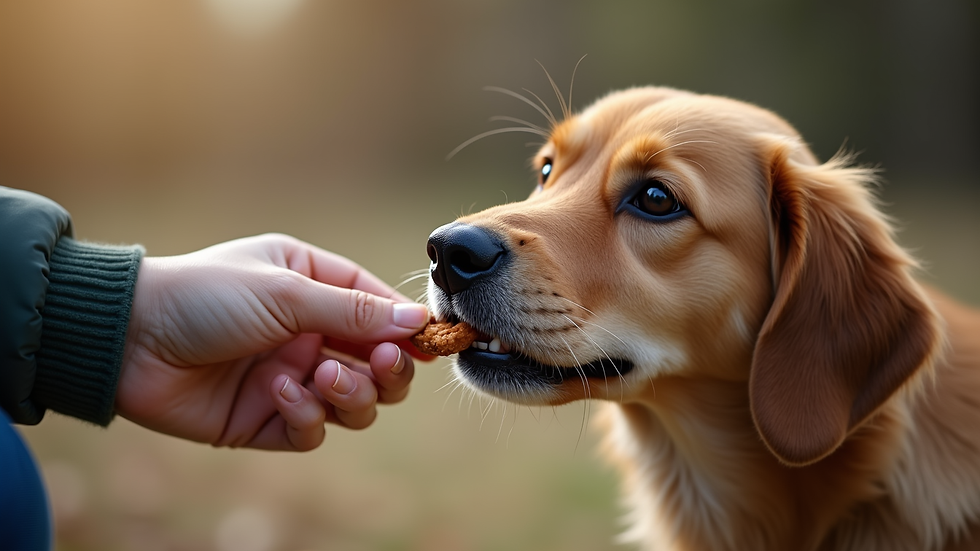
Reward your dog with treats, praise, or playtime when they do something right. This encourages them to repeat good behavior.
Keep Training Sessions Short
Dogs have short attention spans. Aim for 5-10 minute sessions, two to three times a day.
Be Consistent
Use the same commands and signals every time. Consistency helps your dog understand what you expect.
Start with Basic Commands
Teach simple commands like “sit,” “stay,” “come,” and “down.” These are the building blocks for more advanced training.
Avoid Punishment
Harsh corrections can confuse or scare your dog. Instead, redirect unwanted behavior and reward the right actions.
Create a Routine
Dogs feel secure when they know what to expect. Set regular times for feeding, walks, and training.
Socialize Your Dog
Introduce your dog to different people, places, and other dogs gradually. This helps reduce fear and aggression.
Use Clear Body Language
Dogs read your body language more than your words. Stay calm and confident during training.
By following these tips, you’ll set your dog up for success and enjoy the process together.
What are the 3 C's of Dog Training?
Understanding the 3 C's can make training easier and more effective. They are:
Consistency
Always use the same commands and rules. If you allow jumping on the couch sometimes but not others, your dog will get confused.
Clarity
Make your commands clear and simple. Use one or two words per command and avoid mixing signals.
Compassion
Be patient and kind. Training takes time, and every dog learns at their own pace. Celebrate small victories and don’t get frustrated.
These principles help create a positive learning environment. When you combine consistency, clarity, and compassion, your dog will feel safe and eager to learn.
Common Challenges and How to Overcome Them
Training isn’t always smooth sailing. You might face some common challenges, but don’t let them discourage you. Here’s how to handle a few typical issues:
Your Dog Won’t Listen
Make sure you have your dog’s attention before giving a command. Use their name and a cheerful tone. Try training in a quiet place with few distractions.
Pulling on the Leash
Stop walking when your dog pulls. Only move forward when the leash is slack. Reward your dog for walking beside you.
Barking Excessively
Identify what triggers the barking. Use commands like “quiet” and reward silence. Avoid yelling, as it can make barking worse.
Chewing on Furniture
Provide plenty of chew toys. Redirect your dog to these when they start chewing on something inappropriate.
House Training Accidents
Take your dog outside frequently, especially after eating or sleeping. Praise them when they go potty outside. Clean accidents thoroughly to remove odors.
Remember, every dog is unique. If you’re struggling, consider seeking help from a professional trainer who uses positive, science-based methods.
Building a Lifelong Relationship Through Training
Training is not just about obedience. It’s about building a lifelong relationship based on trust and respect. When you invest time and love into training, your dog becomes a happy, well-adjusted member of your family.
Here are some ways to keep your training journey positive:
Celebrate Progress
Every small step is a win. Celebrate your dog’s achievements with treats and affection.
Keep Learning Together
Training doesn’t stop after the basics. Teach new tricks and skills to keep your dog mentally sharp.
Stay Patient
Some days will be easier than others. Stay calm and keep trying.
Enjoy the Process
Training is a chance to bond. Make it fun for both of you.
If you want to dive deeper into effective methods, check out this resource on dog training for new owners.
Training your dog well sets the stage for a happy life together. With patience, kindness, and consistency, you’ll enjoy every moment of this rewarding journey.
Happy training!



Comments