

Finding the Right Dog Specialist: Expert Dog Training Advice for Your Best Friend
- Wendi Niad
- Apr 27
- 4 min read

When it comes to caring for your dog, sometimes you need more than just basic advice. Whether your dog is showing signs of behavioral issues, needs specialized training, or requires expert care, finding the right dog specialist can make all the difference. I’ve learned that having the right expert by your side helps build a stronger bond with your dog and ensures their well-being.
In this post, I’ll share practical tips and insights to help you find the best dog specialist for your furry friend. From understanding the types of specialists to knowing what questions to ask, you’ll get clear guidance to make confident decisions.
Why Expert Dog Training Advice Matters
Training your dog is more than teaching commands. It’s about communication, trust, and understanding your dog’s unique personality. Expert dog training advice can help you:
Address specific behavioral problems like anxiety, aggression, or excessive barking.
Improve your dog’s social skills with other dogs and people.
Enhance obedience and responsiveness in everyday situations.
Build a positive relationship based on respect and clear communication.
When you work with a specialist, you get personalized guidance tailored to your dog’s needs. This approach is much more effective than generic training methods you might find online or in books.
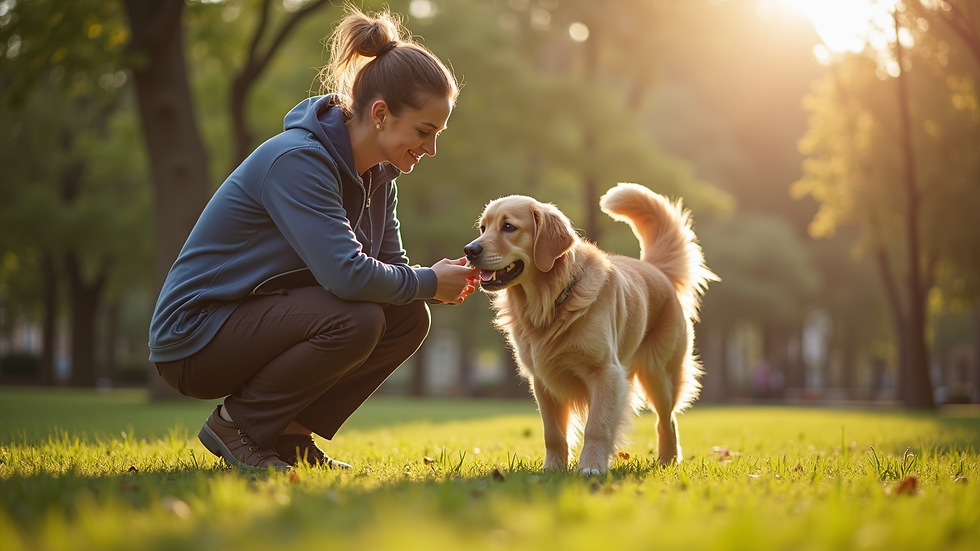
How to Choose the Right Dog Specialist
Choosing the right dog specialist can feel overwhelming. There are many options, from trainers to behaviorists and veterinarians with specializations. Here are some steps to help you make the best choice:
Identify Your Dog’s Needs
Start by understanding what kind of help your dog needs. Is it basic obedience, behavior modification, or medical-related training? Knowing this will narrow down the type of specialist you should look for.
Check Credentials and Experience
Look for specialists with proper certifications and experience. For example, certified dog trainers often have credentials from recognized organizations. Behaviorists usually have advanced education in animal behavior.
Ask for Recommendations
Talk to your vet, friends, or local dog clubs. Personal recommendations can lead you to trusted specialists in your area.
Interview Potential Specialists
Don’t hesitate to ask questions about their methods, experience, and success stories. A good specialist will be happy to explain their approach and how they tailor it to each dog.
Observe a Training Session
If possible, watch a session before committing. This helps you see how the specialist interacts with dogs and owners.
Consider Location and Availability
Choose someone who is accessible and fits your schedule. Consistency is key in training, so regular sessions are important.
If you want to find a good dog specialist, make sure to follow these steps carefully. It will save you time and ensure your dog gets the best care.
What is the difference between a vet and a specialist?
Many dog owners wonder about the difference between a general veterinarian and a dog specialist. Here’s a simple breakdown:
Veterinarian (Vet): A vet provides general medical care for your dog. They handle vaccinations, illness diagnosis, injuries, and routine check-ups. Vets are essential for your dog’s health but may not have specialized training in behavior or advanced training techniques.
Dog Specialist: This term can refer to various experts, including certified trainers, animal behaviorists, or veterinary specialists like neurologists or dermatologists. Dog specialists focus on specific areas such as behavior problems, training, or medical conditions that require advanced knowledge.
For example, if your dog has anxiety or aggression issues, a behaviorist or trainer with expertise in those areas can help. If your dog has a medical condition affecting behavior, a veterinary specialist might be necessary.
Understanding this difference helps you know who to turn to depending on your dog’s needs.
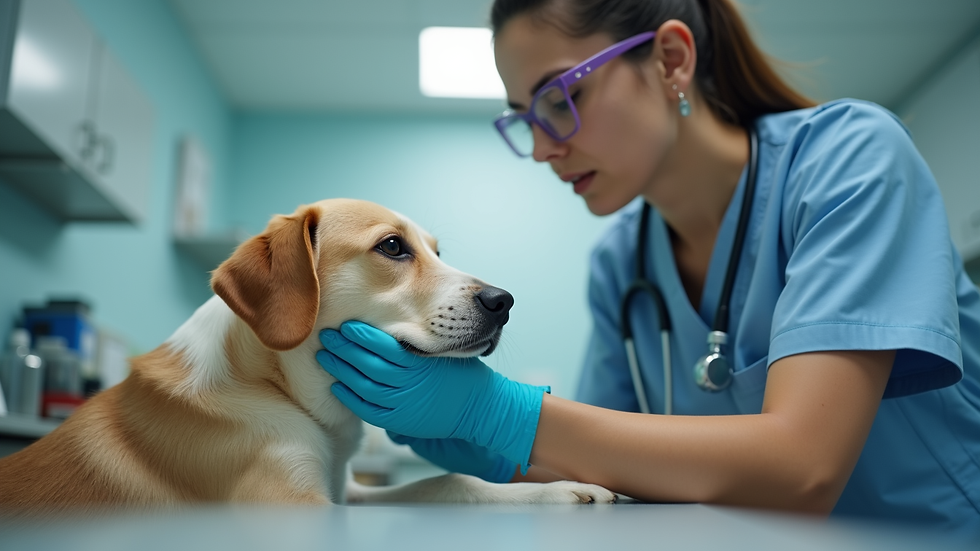
Signs You Need to Consult a Dog Specialist
Not every dog needs a specialist, but certain signs indicate it’s time to seek expert help. Watch for these behaviors or situations:
Aggression: Growling, biting, or snapping at people or other dogs.
Severe Anxiety: Excessive barking, destructive behavior, or fearfulness.
House Training Issues: Persistent accidents despite consistent training.
Obedience Challenges: Difficulty following basic commands or responding to training.
Health-Related Behavior Changes: Sudden changes in behavior that may indicate pain or illness.
Special Needs: Dogs with disabilities or recovering from trauma.
If you notice any of these signs, consulting a specialist early can prevent problems from worsening. Early intervention often leads to better outcomes.
What to Expect When Working with a Dog Specialist
When you start working with a dog specialist, here’s what typically happens:
Initial Assessment
The specialist will observe your dog’s behavior and ask about their history, routines, and any challenges you face.
Customized Plan
Based on the assessment, they will create a training or treatment plan tailored to your dog’s needs.
Training Sessions
You’ll attend sessions where the specialist works directly with your dog and teaches you techniques to use at home.
Progress Monitoring
The specialist will track your dog’s progress and adjust the plan as needed.
Ongoing Support
Many specialists offer follow-up support to help maintain improvements and address new challenges.
Remember, patience and consistency are key. Training and behavior modification take time, but with the right specialist, you’ll see positive changes.
Building a Stronger Bond Through Expert Guidance
Finding the right dog specialist is not just about fixing problems. It’s about creating a happier, healthier life for your dog and strengthening your relationship. When you understand your dog’s needs and communicate effectively, you both enjoy a more fulfilling connection.
If you live in South Florida, especially Palm Beach or Broward Counties, you have access to many qualified specialists. Take the time to research and choose someone who aligns with your values and your dog’s personality.
By investing in expert dog training advice, you’re giving your dog the best chance to thrive. Your dog will thank you with loyalty, love, and good behavior.
I hope this guide helps you feel confident in your search for the perfect dog specialist. Remember, the right expert can transform your dog’s life and yours. Happy training!



Comments